
Choosing a commercial floor
Resin Flooring vs Other Commercial Flooring Options: Is Resin Right for Your Space?
Polished concrete, vinyl, rubber, resin: how the main commercial flooring options actually compare, and which suits your space.
What we do
Considering flooring options for a warehouse or commercial space?
Our guide will help you find the right solution based on your needs, not our job calendar.
Why the Right Commercial Floor Matters
Commercial floors tend to take a beating, more so than most other surfaces in a business. They may see heavy forklift or other vehicle traffic, need to stand up to constant foot traffic, and resist oil or other chemical spills. In certain industries, they might also have to comply with strict hygiene or slip-resistance requirements.
Getting it wrong not only means cracking and staining but also having to replace the floor in a matter of years, not decades.
Bringing years and years of combined commercial resin flooring experience to the table, the team at ResGen have put together this guide to help you weigh up the benefits and drawbacks of the most commonly considered flooring options for commercial spaces.
We are not just pushing resin but covering factors such as cost, durability, and practicality so that you can make an informed decision.
Resin flooring vs the alternatives
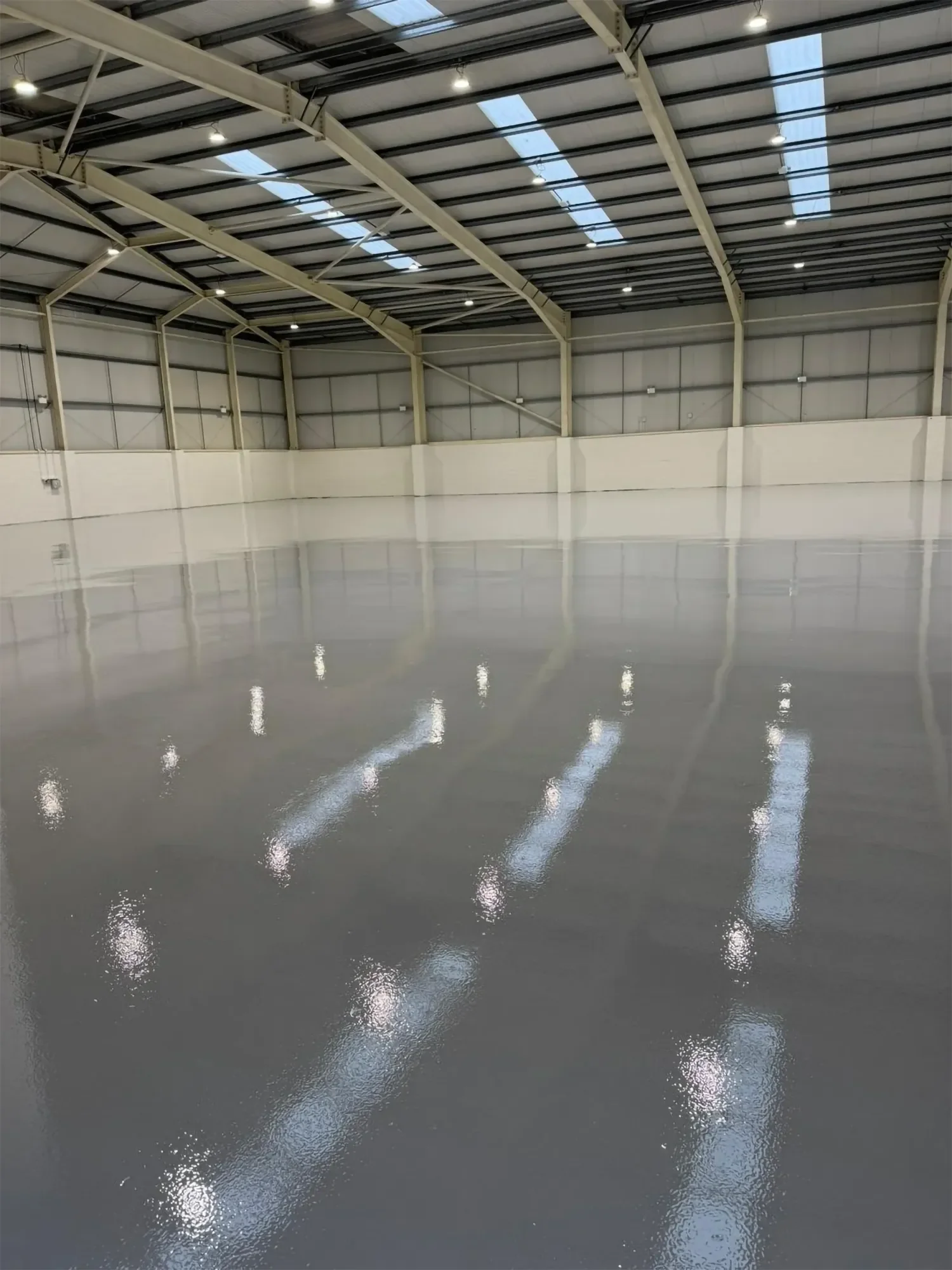
1. Resin Flooring (Epoxy, PU, MMA)
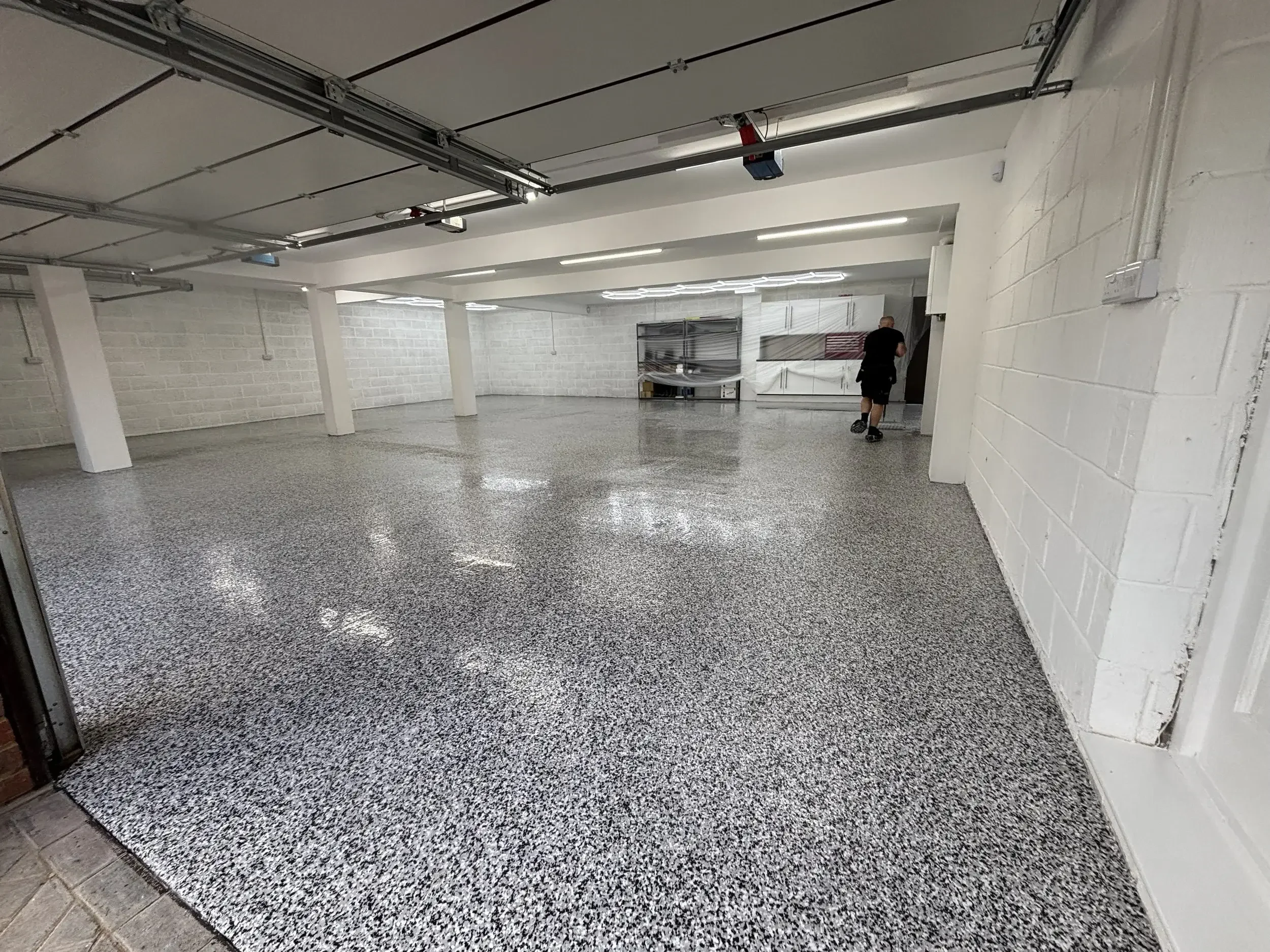
Resin systems are seamless, chemical-resistant, and can be built to exact specifications for load, slip resistance, and hygiene. The trade-off is a higher upfront cost than concrete or vinyl, and installation typically needs a prepared, dry substrate.
Best for: Warehouses, workshops, food and chemical environments, and any space where long-term durability outweighs upfront cost.
2. Polished Concrete
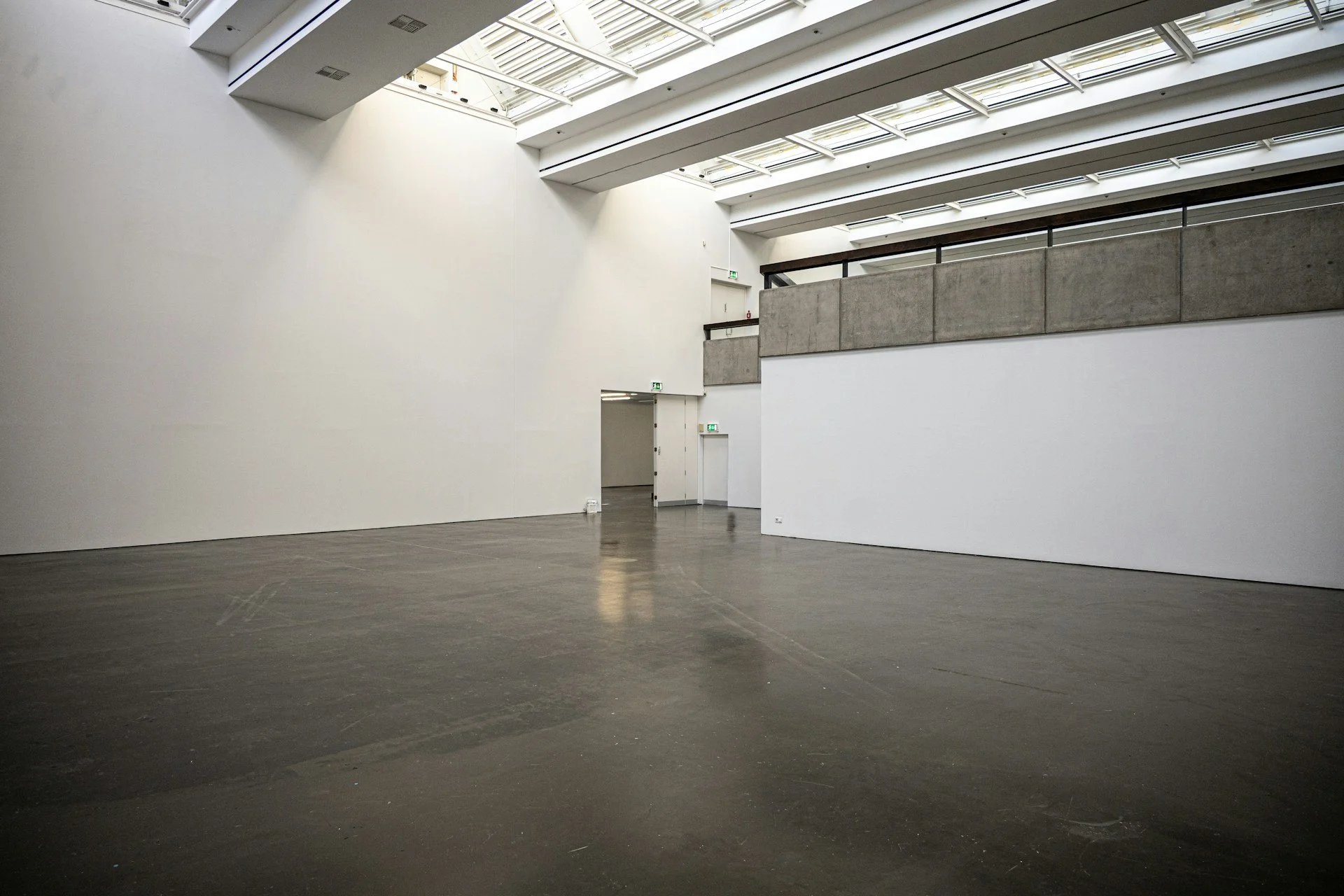
Polished concrete is one of the cheapest commercial flooring options and holds up reasonably well to foot traffic. However, it's porous unless sealed, offers little chemical resistance, and can be prone to dusting over time under heavy use. It's a solid budget option for lower-traffic spaces, but not a like-for-like substitute for resin in demanding environments.
Best for: Showrooms, retail spaces, and light-use commercial areas on a tighter budget.

3. Vinyl (VCT, LVT, Safety Vinyl)
Vinyl is fast to install and comes in a wide range of finishes, making it popular for retail and office environments. It's less durable under heavy machinery or forklift traffic, seams can lift or trap moisture over time, and it doesn't offer the same chemical resistance as resin.
Best for: Retail units, offices, and light commercial spaces where aesthetics matter more than heavy-duty performance.
4. Rubber Flooring
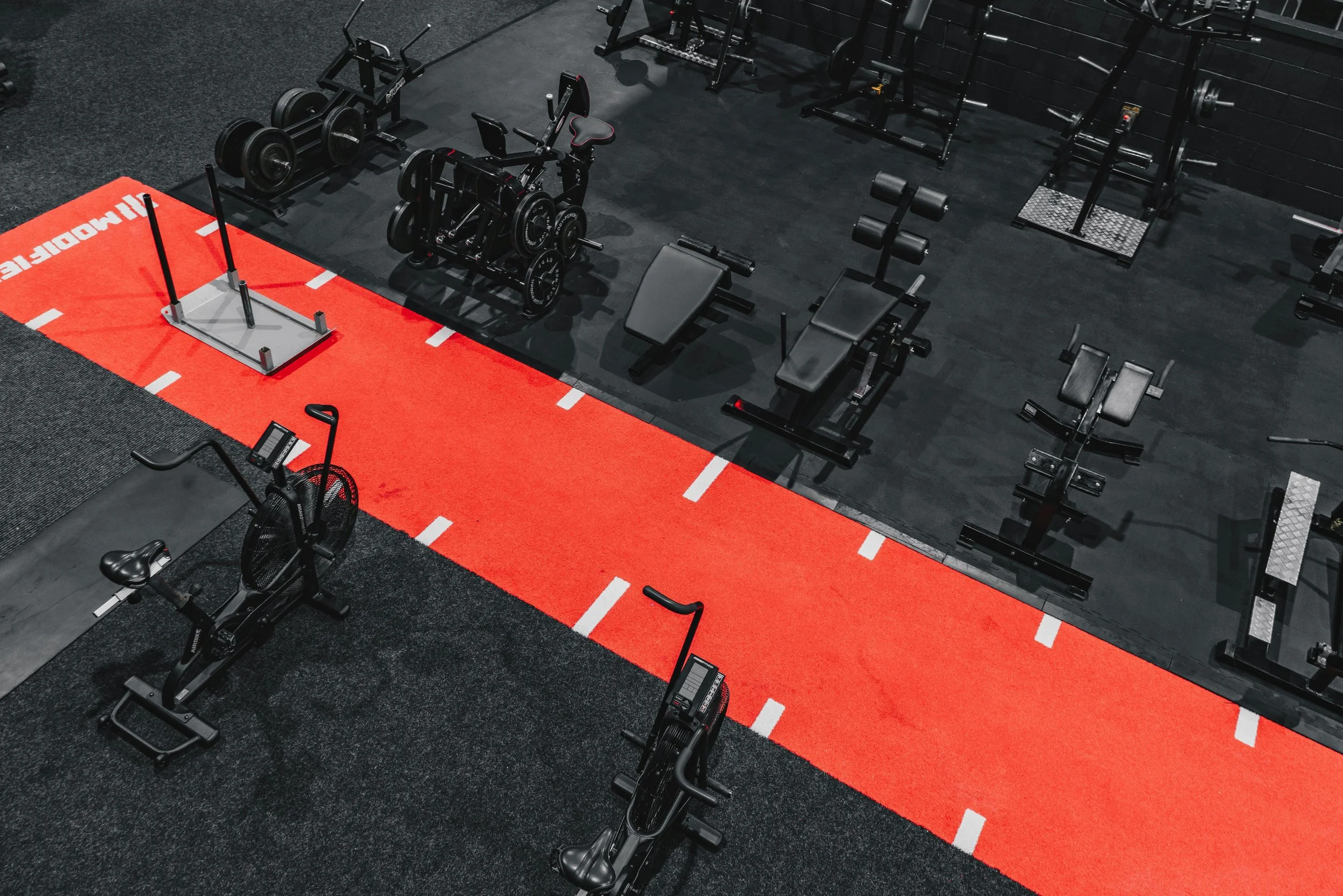
Rubber is valued for its impact absorption and noise reduction, making it a common choice in gyms and some light-industrial settings. It's less suited to spaces with oil, fuel, or chemical exposure, and tends to be more expensive than vinyl without matching resin's durability in harsher environments.
Best for: Gyms, break-out spaces, and areas prioritising comfort and noise reduction over chemical resistance.
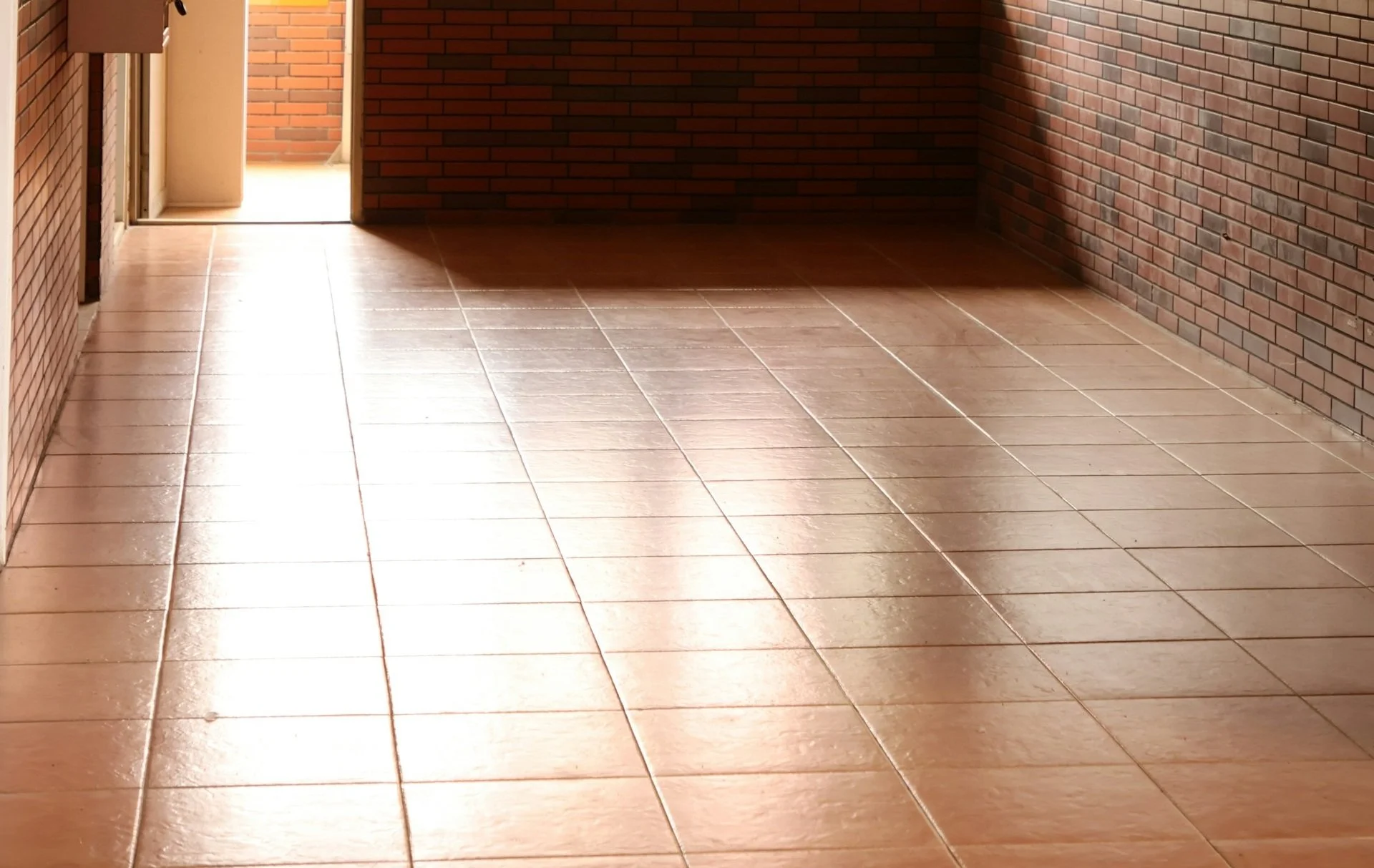
5. Tiles (Ceramic, Quarry)
Tiles offer a hard-wearing, easy-to-clean surface, but grout lines are the recurring weak point. They trap dirt and bacteria, can crack under heavy loads, and require ongoing maintenance to stay hygienic. Individual tiles can also crack or chip under forklift or heavy plant traffic.
Best for: Kitchens, washrooms, and lower-traffic areas where a tiled finish is a design requirement.
| Flooring Type | Upfront Cost | Lifespan | Chemical Resistance | Downtime to Install | Maintenance |
|---|---|---|---|---|---|
| Resin (Epoxy/PU/MMA) | Higher | 15–20+ years | Excellent | Low–Moderate* | Minimal |
| Polished Concrete | Low | 10–15 years | Poor–Moderate | Moderate | Moderate |
| Vinyl | Low | 5–10 years | Poor | Low | Moderate |
| Rubber | Moderate | 10–15 years | Poor | Low | Low |
| Tiles | Moderate | 15+ years | Moderate | Moderate | Moderate–High |
*MMA systems can be walked on within hours, making resin one of the fastest options to return a space to use despite the higher material cost.
Is resin the right call for your commercial floor?
While we acknowledge the higher upfront costs, a professionally laid resin floor is often the right choice for commercial spaces, warehouses, or industries where durability and low maintenance are primary concerns.
-

Warehouse or forklift traffic?
Resin (especially MMA or a heavy-duty epoxy build) is the only option on this list built to handle sustained point loading without cracking or delaminating.
-

Food or hygiene-regulated environment?
Resin's seamless, non-porous finish is far easier to keep compliant than grouted tiles or sealed concrete.
-

Workshop with chemical or oil spill risk?
Resin and, to a lesser extent, rubber outperform vinyl and concrete here — vinyl and concrete are both vulnerable to staining and degradation.
-

Retail or showroom space prioritising look and budget?
Polished concrete or vinyl may be the more sensible choice if the space sees lighter use and heavy chemical exposure isn't a factor.
-
Tight budget, lower-traffic commercial unit?
Concrete or vinyl will do the job for less upfront. Be prepared for a shorter lifespan and more frequent upkeep.
-

Still not sure?
Every ResGen commercial installation starts with a proper assessment of your long-term needs. If resin isn’t the right option for your floors, we’ll be upfront about it and suggest the best options based on your needs.
Commercial resin flooring FAQs
-
Not usually. While resin has a higher installation cost, its longer lifespan and lower maintenance needs typically make it more cost-effective over a 10–15 year horizon, especially in high-traffic or chemically exposed environments.
-
In some cases, yes, but it depends on the condition of the existing surface. Vinyl usually needs to be removed, and tiled floors require grinding to create a suitable key for the resin to bond to. We assess this as standard before any quote.
-
Resin is one of the few systems that can be custom-formulated for slip resistance (via aggregate or additive) to match the specific risk profile of a space. Concrete, vinyl, and tiles can't be adjusted after installation.
-
MMA resin systems cure fastest, often ready for light use within hours, which can make them comparable to or faster than vinyl despite resin's reputation for longer installation.